The High Cost of Poor Change Management

Whether change is driven by technology updates, shifts in the market, or internal restructuring, organisations must constantly adapt to stay competitive. However, the high cost of poor change management – both visible and hidden – can drain resources and demoralise teams. In this blog post from Change Specialists CEO John Dean, he breaks down the tangible and intangible costs of ineffective change management and explores practical ways to mitigate these risks.

Where the cost lands

Financial

Delays, and the impact on budget

Cultural

Stress, disengagement, and a loss of trust in leadership

Operational

Processes break down and workflows halt

Where the cost of poor change management actually lands.

Financial Costs

Start with a comprehensive diagnostic assessment to understand the project’s current status and
identify key issues and risks. Involve all stakeholders to ensure a holistic view.

When a change initiative goes off the rails, the financial repercussions are often the most obvious. Delays, impact on budgets, and wasted resources can quickly turn what seemed like a strategic move into a financial burden.

According to a study by McKinsey, 70% of change initiatives fail to achieve their goals, often due to ineffective management. The associated costs can include:

Rework & Project Overruns: Budget projections spiral when initiatives are restarted or corrected due to poor planning or implementation.

Lost Productivity: When employees are confused, resistant, or unsure of their roles, productivity takes a nosedive, affecting business performance and revenue generation.

Missed Opportunities: Failed change initiatives often delay opportunities for growth and new product or service launches.

Solution: Robust Planning & Metrics

To avoid financial pitfalls, invest time in detailed planning, stakeholder mapping, and clear success metrics from the outset. Proactively monitor progress and remain flexible to adjust course as needed.

Cultural Costs

A poorly managed change initiative can negatively impact company culture. Employees often bear the brunt of sudden or mismanaged change which can result in stress, disengagement, and a loss of trust in leadership.

When change feels imposed, employees may experience uncertainty, and this may lead to increased absenteeism. These human costs weaken overall company culture.

Solution: Transparent Communication and Employee Involvement

Communicate openly and consistently throughout the change journey. Listen to employee concerns to involve them in the process and show empathy for how the change impacts their daily lives. When people feel heard and valued, they are far more likely to engage positively with change.

Operational Costs

When change management is ineffective, business operations can be severely disrupted. Processes may break down meaning teams can lose cohesion, and critical workflows can grind to a halt – all of which hurt productivity and customer satisfaction.

Poorly implemented technology changes, for example, can lead to things like customer service failures, or data breaches, of which can have lasting impact.

Solution: Phased Implementation and Continuous Support

Roll out changes in manageable phases, allowing time to test and adapt before full-scale implementation. Offer continuous training and support to help employees adjust smoothly and maintain operational efficiency.

Avoiding the Costs: A Holistic Approach to Change Management

How can organisations minimise the risk of poor change management and avoid these costly pitfalls? Here are some proven strategies:

Leadership Buy-In: Leaders across the organisation should actively support and champion the change, setting the tone and leading by example.

Clear Vision: Define the “why” behind the change, outlining what success looks like and how it benefits everyone involved.

Engagement, Not Imposition: Involve employees early, and treat them as partners in the change journey. The more they own the process, the more they will support it.

Regular Feedback and Adaptation: Continuously seek feedback and be willing to adapt plans in response to concerns, challenges, or changing circumstances.

Invest In Skills Development: Equip teams with the skills they need to succeed in the new environment through training and ongoing learning opportunities.

Final Thoughts

The high cost of poor change management – financial, cultural, and operational – are too great to ignore. With thoughtful planning, transparent communication, and a commitment to supporting people through change, organisations can avoid these pitfalls and concentrate on transformation.

Contact me, or the wider team at Change Specialists, we are all seasoned Change professionals who are well placed to share our experiences and expertise to support your success. 

Contact John, or connect with him on LinkedIn.

Follow Change Specialists for further tips to support successful project management.

5 Tips for Turning Around a Project in Need of Recovery

In this blog post Change Specialists CEO John Dean outlines his 5 tips for turning around a project in need of recovery,

In the dynamic world of business, projects and programmes sometimes lose their focus. When this happens, swift and strategic intervention is required to realign to achieve desired outcomes.

Conduct a Thorough Diagnostic Assessment 

Start with a comprehensive diagnostic assessment to understand the project’s current status and
identify key issues and risks. Involve all stakeholders to ensure a holistic view.

Re-establish Clear Objectives and Milestones

Clarify, review and, where appropriate, redefine project objectives and milestones ensuring that they are realistic, achievable, and aligned with organisational strategic goals. This provides a clear roadmap and helps measure progress effectively.

Strengthen Leadership

Enhance leadership frameworks to ensure clear accountability and decision making authority. Effective leadership can inspire a team, streamline processes, and foster a culture of accountability.

Enhance Communication and Stakeholder Engagement

Open, transparent communication is vital.
Ensure stakeholders receive regular updates in order to build trust and ensure everyone works towards the same goals.

Implement Rigorous Delivery Assurance

Establish delivery assurance mechanisms to monitor progress, manage risks, and ensure quality. Regular audits, progress reviews, and risk assessments are essential to maintain project health and deliver on promises.

Repairing a troubled project or programme is challenging but achievable with the correct approach and expertise. At Change Specialists, our goal is to supply our clients with the necessary skills and capacity. By applying the 5 tips for turning around a project or programme in need of recovery outlined in this blog post our experts can assist you in delivering a successful project recovery.

If your organisation is implementing changes, please get in touch to discuss how the Change Specialists can support your journey.  

Contact John, or connect with him on LinkedIn.

Follow Change Specialists for further tips to support successful project management.

Reaping the Rewards of Transformation

How to Maximise ROI in Change Management

Knowing how to maximise ROI in change management is key for any organisation undertaking transformations. Effective change management mitigates risks while also enhancing the likelihood of achieving desired business outcomes. This blog post from our CEO John Dean explores best practices for maximising ROI in change management.  

Align Change Initiatives with Strategic Objectives 

It is crucial that change initiatives align with the organisational objectives. This alignment ensures that the change contributes directly to the overarching goals of the business.

Update Stakeholders on a Regular Basis

Engage stakeholders from the outset and maintain good communication throughout the change process. This engagement ensures buy-in, mitigates resistance, and fosters a culture of collaboration. Regular feedback sessions and transparent communication help identify potential issues early and allow for timely adjustments.

Adopt a Structured Change Management Framework

Utilising a framework such as ADKAR (Awareness, Desire, Knowledge, Ability, Reinforcement), provides a clear roadmap for managing change. This framework helps in systematically addressing the human side of change, ensuring that everyone is adequately prepared, equipped, and supported throughout the transition.

Track and Measure Benefits Realisation 

Define clear metrics and continuously measure progress against these metrics. The approach allows organisations to track the realisation of benefits and make necessary adjustments to stay on course. By setting clear KPIs and regularly reviewing performance data any required ,corrective actions can be implemented promptly.

Invest in Change Leadership and Capability Building

Developing strong change leadership and building change management capabilities within the organisation are vital for sustained success. Investing in training programmes and creating a network of change champions can significantly enhance the organisation’s ability to manage future changes effectively. This approach supports the success of change initiatives and embeds a resilient change culture across organisations. 

Conclusion

Maximising ROI in change management requires many actions, such as creating a strategic approach. By adopting these best practices, organisations can enhance their change initiatives’ effectiveness and realise substantial returns on their investments.

A disciplined and inclusive approach to change management is key to achieving and sustaining business success. Following these guidelines means organisations can navigate the complexities of change with confidence and ensure that their investments yield tangible and lasting benefits. 

At Change Specialists, we can provide your business with the help it needs maximising its ROI. Please contact us and we will get you on the right track.  

Contact John, or connect with him on LinkedIn

Basic Drills for Governing Change in 4 Steps

Change Specialists Practice Director Julian Brown shares his insights on basic drills for governing change in 4 steps.

Strong and effective governance in IT, Digital and business change programmes supports successful outcomes. With technology playing a pivotal role in driving business success, I must stress how crucial it is to put in place robust governance practices that ensure the successful execution and delivery of IT initiatives. This blog post shares some of my best practice techniques for governing change programmes.

Define a Clear Governance Framework

Establishing a well-defined governance framework is the foundation for ensuring that an IT or business change programme is governed effectively. This framework should outline the roles, responsibilities, and decision-making processes within the company. Key components of the framework should include:

  • Definitions of the roles and responsibilities of stakeholders, such as executive sponsors. It’s important to call out the decision making authority to avoid ambiguity.
  • Establish effective channels for communication and reporting, ensuring that stakeholders receive timely updates and are involved in decision-making processes. Regular status reports, project dashboards, and executive briefings are some effective communication tools. Transparency is key.
  • Develop comprehensive policies and procedures that govern the stage gates which the projects will go through, such as initiation and

Engage Stakeholders and Establish Ownership

Engaging stakeholders early and ensuring their active involvement throughout the project or programmes lifecycle is crucial for effective governance. Here’s how you can achieve this:

  • Secure strong executive sponsorship to provide strategic direction, allocate necessary resources, and remove any roadblocks that may get in the way.
  • Foster collaboration between IT, the business, and other relevant stakeholders to ensure alignment of the programme or project objectives with organisational goals. Involve stakeholders in decision-making processes.
  • Assign clear ownership for deliverables, milestones, issues and risks. This accountability ensures that individuals are responsible for their respective roles and fosters a sense of ownership and commitment.

Establish Robust Programme and Project Management Practices

Implementing effective practices is vital for successful governance of IT and business change programmes and projects. Like Change Specialists, you may want to consider the following:

  • Develop detailed project plans, outlining objectives, timelines, resource requirements, and deliverables and implement a robust project management methodology.
  • Identify, assess, and manage risks throughout the lifecycle. Enforce a risk management framework that enables proactive risk identification, mitigation, and contingency planning.
  • Establish KPIs and metrics to track progress, measure success, and identify areas for improvement, as well as regularly monitoring and reporting on these metrics to stakeholders.
  • Identify and register dependencies within the programme or project and those that are external i.e. in the rest of the organisation or outside.

Continuous Improvement and Learning

To drive continuous improvement and learning, companies must create a culture of adaptability and innovation. Below are some thoughts on how you might create this:

  • Conduct in-depth reviews at the end of each programme or project phase to capture lessons learned. It’s a good idea to document and share successes, challenges, and recommendations for future initiatives.
  • Establish knowledge-sharing mechanisms, such as communities of practice, to encourage sharing of best practices, experiences, and lessons learned across the organisation. Recognise colleagues who are collaborating and sharing ideas.
  • Embrace ‘Agile’ principles in governance practices, allowing for iterative adjustments and flexibility where governance processes are continuously reviewed and adapted to address evolving needs and changes in the IT landscape.

If you found this post helpful, would like to share your own basic drills for governing change, or to find out how Change Specialists could support your IT, Digital or Business Change plans, please contact Julian, or connect with him on LinkedIn.

5 Tips for Developing a Project Plan 

Project planning is a critical phase in the project management lifecycle, as it lays the groundwork for the successful execution and delivery of projects. These 5 tips for developing a project plan from our CEO John Dean lift the lid on essential components required for success.

John provides an overview on how to implement these strategies in Microsoft Project, a popular project management software used by professionals worldwide, including those at Change Specialists.

1. Define Project Scope and Objectives Clearly

Tip: Begin by establishing a clear understanding of the project’s scope and objectives. This involves detailing the project’s goals, deliverables, constraints, and the criteria for success.

Implementation in Microsoft Project:

• Start by creating a new project. Set up the project information by going to the “Project” tab and clicking on “Project Information.”

• The “Task” section is utilised to break down the project into smaller, manageable tasks.

• Deliverables need to be defined for each task or phase. Use the “Notes” section of each task to ensure clarity on the expected outcomes.

2. Develop a Detailed Work Breakdown Structure (WBS)

Tip: A Work Breakdown Structure (WBS) is essential for decomposing the project into smaller, more manageable components. It helps in organising and defining the total scope of the project.

Implementation in Microsoft Project:

• Utilise the “Task Name” field to create a hierarchy of tasks and subtasks, effectively outlining your WBS.

• Indent and outdent tasks to create a structured, hierarchical view of the project tasks, facilitating easier management and tracking.

3. Assign Resources and Estimate Durations

Tip: Assign the right resources to each task, including team members, equipment, and materials, and estimate the duration of each task accurately to ensure realistic planning.

Implementation in Microsoft Project:

• “Resource Sheet” view can be used to add and define all the resources available for the project, including human resources, equipment, and materials.

• Add these resources to specific tasks using the “Resource Name” field in the task list, adjusting for any resource constraints or availability issues.

• Estimate task durations by entering values in the “Duration” field for each task, considering the resources assigned and their availability.

4. Establish Milestones and Critical Path

Tip: Identify major milestones in your project, such as key deliverables or project phases. Determine the project’s critical path, which is the longest sequence of tasks that dictates the minimum project duration.

Implementation in Microsoft Project:

• Define milestones by setting the duration of key tasks to “0” days, which will automatically designate them as milestones.

• Enter tasks, dependencies, and durations. Select “Gantt Chart” in the “View” tab to select the click on “Critical Path”. This will highlight the tasks that directly impact the project timeline.

5. Regularly Review and Update the Project Plan

Tip: View project plans as living documents. Regular reviews support the capture of changes and progression alongside any issues arising.

Implementation in Microsoft Project:

• Regularly update task statuses, completion percentages, and actual start and finish dates to reflect real-time progress.

• Use the “Tracking Gantt” view to compare planned versus actual progress. This allows you to make informed decisions and adjustments to the project plan as needed.

Change Specialists work with clients from SME’s through to global leaders. We support them to achieve successful outcomes for business change and digital transformation programmes.

Contact us to discuss your pending or current programmes of work.

How to Implement SMART Project Requirements

In this post Change Specialists CEO, John Dean, shares his tips and steps outlining how to Implement SMART project requirements. This approach supports the success of your programme of work.

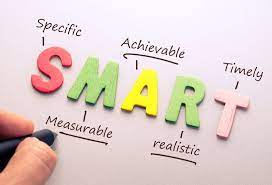
Here is John’s step by step guide on how to implement SMART project requirements (Specific, Measurable, Achievable, Relevant, and Time-bound).

Step 1: Specific

My first step in creating SMART project requirements is to make them specific. This requires clear definition around what the outcome of the requirement is.

  • Identify the requirement: State what will be done. Be as detailed and precise as possible to avoid ambiguity.
  • Define success: Specify what success looks like for this requirement. When the requirement is met, what is the result? This helps ensure everyone understands what’s expected.
  • Assign responsibility: Determine who is responsible for this requirement. This gives clear accountability and ensures someone is actively working to fulfil it.

Step 2: Measurable

Next, you need to establish concrete criteria for measuring progress towards the attainment of each requirement.

  • Define metrics: Which measurements will indicate progress or completion of the requirement? This can be quantitative, such as a number or percentage, or qualitative such as a certain level of quality or completion.
  • Set milestones: Break the requirement down into smaller, more manageable components. Track and measure milestones to assess progress towards meeting the overall requirement.

Step 3: Achievable

My key step is to make sure the requirements are achievable. Consider the resources available and ensure the requirement is realistic.

  • Consider resources: What resources (time, money, personnel, equipment, etc.) are available to fulfil this requirement? The requirement must be realistic and align with available resources
  • Identify potential challenges: Obstacles and challenges block requirements from being met. Track and plan steps to mitigate.

Step 4: Relevant

Releavent requirements align with the overall project goals and objectives.

  • Align with project goals: How does this requirement fit into the bigger picture of the project? If not review and reconsider it.
  • Validate with stakeholders: Ensure all relevant stakeholders agree with the requirement and see its value. This helps ensure buy-in and support for the requirement.

Step 5: Time-bound

Requirements are time-bound,. Support this by assigning a specific timeframe for meeting them.

  • Set deadlines: Establish clear realistic deadlines for meeting requirements.
  • Monitor progress: Regularly check on progress towards completion, identify and make adjustments.

Additional insights for programme management professionals are here.

Change Specialists - Governance

Best Practice Techniques for Governing Change Programmes

In today’s uncertain economic climate and competitive landscape, having in place effective governance for IT and change programmes is critical to enable organisations to adapt, innovate, and stay ahead of the competition.

Author of today’s blog post is Julian Brown, Practice Director at Change Specialists

With technology playing such a pivotal role in driving business success, I cannot stress enough how important it is to put in place robust governance practices that ensure the successful execution and delivery of IT initiatives.

In this blog post, I will share some best practice techniques for governing change programmes. At Change Specialists we refer to this as our ‘Basic Drills’.

Define a Clear Governance Framework

Establishing a well-defined governance framework is the starting point and foundation for ensuring that an IT or business change programme is governed effectively. This framework should outline the roles, responsibilities, and decision-making processes within the organisation. Key components of the framework should include:

– Defining roles and responsibilities of stakeholders, such as executive sponsors, programme managers, project teams, and governance committees. It’s important to call out the decision-making authority at the outset to avoid ambiguity.

– Establishing effective channels for communication and reporting, ensuring that stakeholders receive timely updates and are involved in decision-making processes. Regular status reports, accurate project dashboards, and executive briefing sessions are all effective communication tools. Transparency is key, no one likes surprises, and be sure to keep the updates factual.

– Developing comprehensive policies and procedures that govern the stage gates which the project will go through – for instance, initiation, planning, execution, monitoring, and control of the change initiative.

Engage Stakeholders and Establish Ownership

Engaging stakeholders early on and ensuring their active involvement throughout the project lifecycle is crucial for effective governance. Here’s how you can achieve this:

– Secure strong executive sponsorship to provide strategic direction, allocate necessary resources, and remove any roadblocks that may be blockers.

– Foster collaboration between IT, the business, and other relevant stakeholders to ensure alignment of project objectives with organisational goals. Encourage open dialogue and involve stakeholders in decision-making processes.

– Assign clear ownership for deliverables, milestones, issues and risks. This accountability ensures that individuals are responsible for their respective areas and also fosters a sense of ownership and commitment.

Establish Robust Programme and Project Management Practices

Implementing effective practices is vital for successful governance of IT and business change projects. You may want to consider the following:

– Develop detailed project plans, outlining objectives, timelines, resource requirements, and deliverables. Implement a robust project management methodology. Which one you select will depend on the nature of the project.

– Identify, assess, and manage risks throughout the lifecycle. Implement a risk management framework that enables proactive risk identification, mitigation, and effective contingency planning.

– Establish KPIs and metrics to track progress, measure success, and identify areas for improvement. Regularly monitor and report on these metrics to stakeholders.

– Identify and register dependencies within the project and also those that are external i.e. in the wider organisation or outside.

Continuous Improvement and Learning

To drive continuous improvement and learning, organisations need to create a culture of adaptability and innovation. Here are some thoughts on how you might create this:

– Conduct in-depth reviews / retrospectives at the end of each project phase to capture lessons learned. Document and share successes, challenges, and recommendations for future initiatives.

– Establish knowledge-sharing mechanisms, such as communities of practice, to encourage sharing of best practice, experiences, and lessons learned across the organisation. Encourage and recognise colleagues who are leading the way on collaborating and sharing ideas.

– Embrace agile principles in governance practices, allowing for iterative adjustments and flexibility. Continuously review and adapt governance processes to address evolving needs and changes in the IT landscape.

If you would like to find out how Change Specialists can support you to deliver your IT and Business Change agenda, including effective governance for IT and change programmes, please contact Julian to schedule a call, it would be great to learn more about the work you are doing.